
Winter greetings!
December 9, 2025
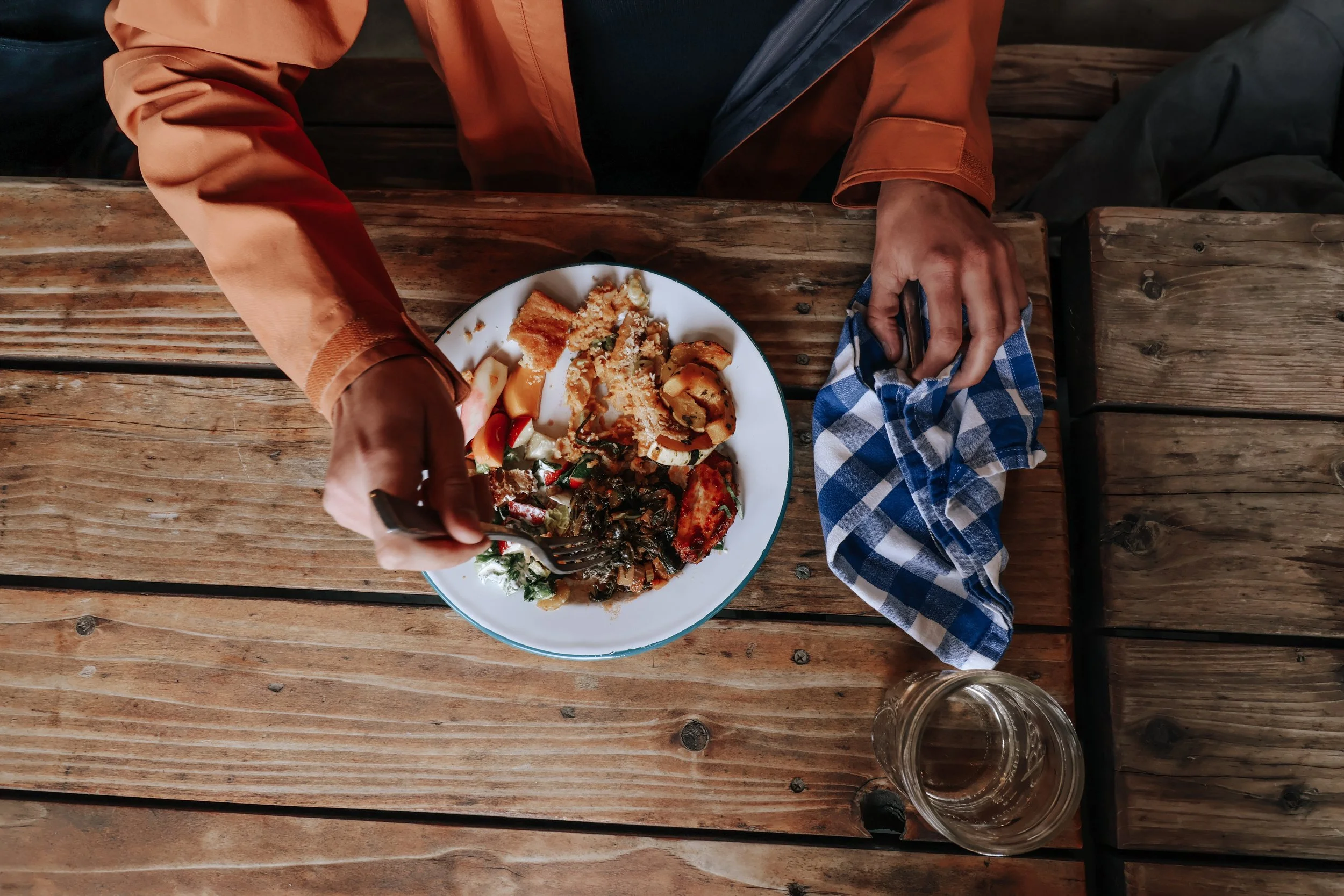
As you gathered with family on November 27th, perhaps you shared gratitude for the people who grew the food that graced your table.
Over half a million people toil to produce California’s crops – sowing, planting, cultivating, irrigating, harvesting, and packing the produce. Farmworkers are essential to one of the greatest farm economies in the world. Yet when disaster strikes, pandemic hits, or tyranny takes hold, these workers (an estimated 90% of whom are immigrants, and as many as half undocumented) are extremely vulnerable.
A recent Yolo County health assessment found that food insecurity, the high cost of living, wage disparity and working conditions are major concerns for farmworkers here, but the foremost concern is housing insecurity. “Housing ag workers (is) a huge priority in the county,” says Yolo County supervisor Angel Barajas. The BoS is exploring various approaches to this crisis, like using county surplus land and partnering with nonprofits – including community land trusts.
Community land trusts are a proven way to preserve and build affordable housing for families who face housing insecurity or barriers to ownership. First developed in rural Georgia in the 1960’s, CLT’s are now emerging as one of the most promising models we have to take land off the real estate market, prevent displacement of vulnerable communities and provide lasting, affordable home ownership. To learn more about CLT’s, visit the California Community Land Trust Network and/or Grounded Solutions Network.
Enter Casa Agraria, a newly-emerging nonprofit community land trust whose purpose is to convey land and housing to rural farmworkers and underserved farmers in Yolo County. Here’s how:
Priority residents (low-income or otherwise disenfranchised community members) can own their homes, individually or in co-ops and subject to resale restrictions, with lifetime leases on the underlying land.
Public investments are protected with perpetual affordability mechanisms, through multiple generations of homeowners.
Outcomes include stability and equity for farmers & farmworkers, a more robust and resilient workforce, and land and community stewardship.
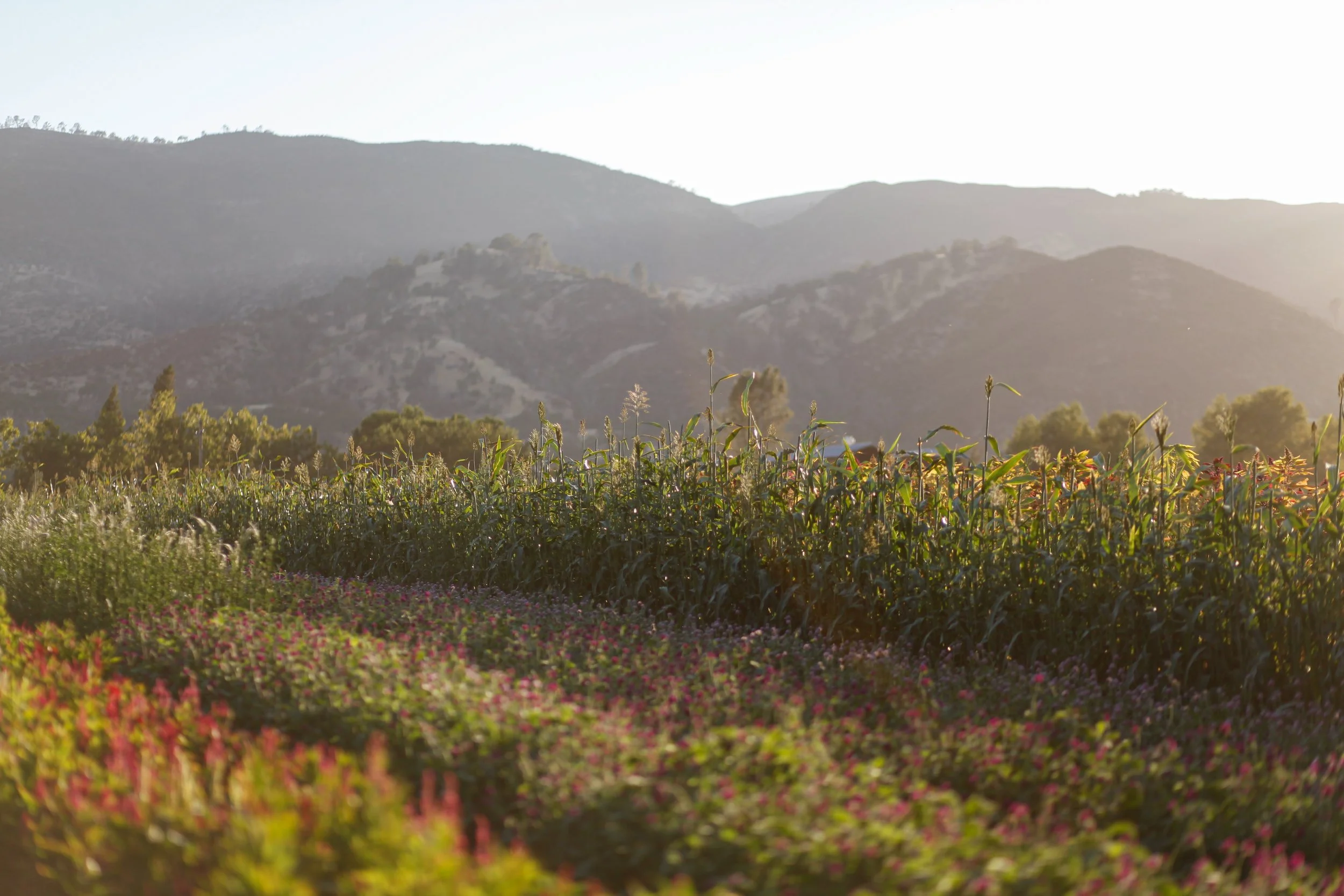
The idea for this community-led nonprofit began in 2022 with Paul Muller, co-owner of Full Belly Farm, along with a handful of the farm’s employees. Now Paul and his wife, farm co-owner Dru Rivers, prepare to transfer a small Capay Valley lot they own to Casa Agraria for its pilot housing project! Dubbed ‘Casas Capay Valley’ by prospective residents, this project will build three homes on four acres. Domestic water and septic systems are being planned, architectural plans are taking shape, numbers are being crunched, and construction is expected to start in mid-2026!
An advisory council of experienced farmworkers meets regularly to guide CasAgraria and its first project. “Alex” is a farm mechanic with construction experience on large-scale housing developments in his country of origin. He is eager to participate in the creation of secure, limited-equity housing for his small family in the Capay Valley. “Manuel” has worked at the same diversified organic farm for over thirty years and is a master at cultivation and harvest. Now a grandpa, he and his wife seek a permanent home closer to his workplace where he can eventually retire to grow crops on his own. “Chyca,” who is also Casa Agraria’s local coordinator, manages the nursery at an organic Capay Valley farm. She has worked there for over twenty years and considers the valley her home.
“This project can be a step for low-income families like mine,” she says. “We could be homeowners for the first time, and that feeling is good.”
While farmworkers need better housing, it’s a tough time for many to make permanent plans. Anti-immigrant rhetoric and the specter of ‘mass deportations’ have rocked agricultural communities around the nation. Workers keep their heads down, as even work permits don’t keep immigrants safe from harassment and detention. Organizations that once provided services, housing opportunities and loans regardless of immigration status now face risk of de-funding and other forms of retribution. Immigrants are living under a new shadow of fear and instability.
You are receiving this letter as a trusted member of our community, in a time of urgent need. If you are interested in getting more involved, please email kendra@casagraria.org. We welcome your donations of any amount, large or small, toward land acquisition, home construction and organizational development. Your support will allow us to begin construction of Casa Agraria’s first affordable, green homes for farmworker ownership in 2026, developing a viable legal and governance model, and replicating this model elsewhere in Yolo County.
DONATE. Please add your support to buy land, subsidize the cost of construction, and expand this critical work!
Sincerely,
Kendra Johnson, CasAgraria Project Director
Thanks to our supporters:
Initial planning and org development possible with in-kind support from landowners Paul Muller & Dru Rivers; and with grants from Waverley Street Foundation, USDA/Agrarian Trust, and generous anonymous donors. Fiscal sponsorship provided by Occidental Arts & Ecology Center and incubation services by Northern California Land Trust.
